Jason Hopkins Blog

How Continual Improvement and Six Sigma Drive Better UX and Product Design
In the world of product, UX and service design, we’re often told to “fail fast” or “iterate quickly.” While these are useful principles in agile or lean environments, I’ve found that the most sustainable improvements come not from speed alone, but from rigour. This is where the principles of continual improvement, and more specifically, Six Sigma, have started to play a much more meaningful role in how I approach design leadership, process, and delivery.

Navigating the AI Integration Landscape in Product Design
Artificial Intelligence (AI) has been one of the most exciting, and sometimes frustrating, developments in product design. Over the years, I’ve seen AI and machine learning implementations that genuinely improve user experiences, but I’ve also seen it shoehorned into products where it adds little value or even makes things worse.

The Illusion of Strategy: Navigating the Pitfalls of Superficial Planning in Product Design
In the realm of product design, the term "strategy" is often brandished with confidence. Yet, many so-called strategies are little more than aspirational statements devoid of actionable insights. This superficial approach can lead teams astray, resulting in wasted resources and missed opportunities.

Bridging the Gap: The Role of Product Design Strategy in Business Success
In the fast-paced world of product development, companies often oscillate between high-level vision statements and detailed roadmaps. But what lies in between? Product design strategy.
Mapping Design Impact: Strengthening User Needs and Business Goals
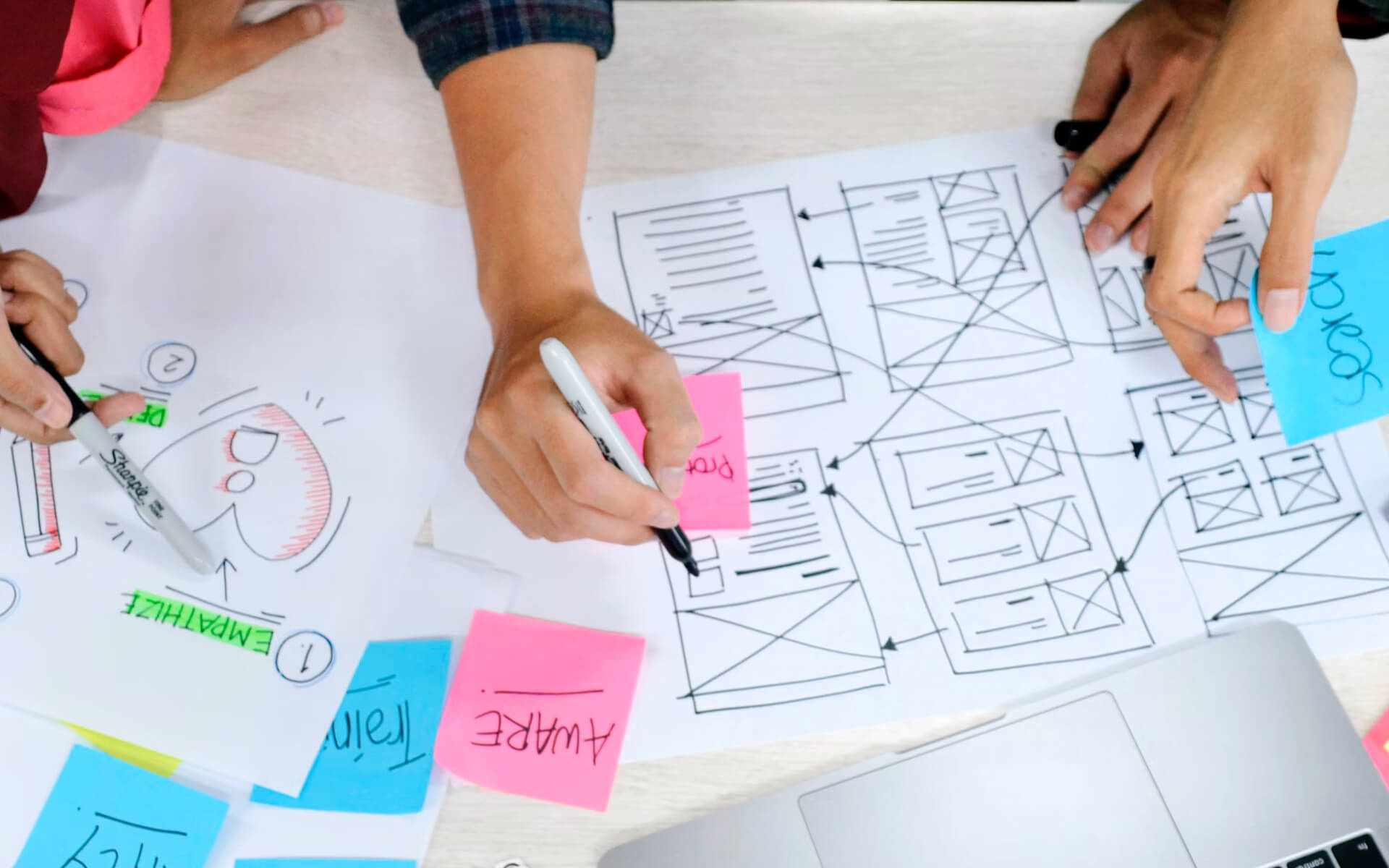
In the dynamic world of product design, the ability to map design impact effectively is a crucial skill that bridges the gap between user needs and business goals. This practice not only enhances user satisfaction but also drives business success, positioning you as a valuable asset in your field.
Navigating the Future of UX: Leading with Empathy, Innovation, and Purpose
User experience (UX) has become a pivotal factor in every industry, being a UX leader is about much more than shaping screens or optimising flows.
Championing User-Centricity: Strategies to Influence Senior Leadership
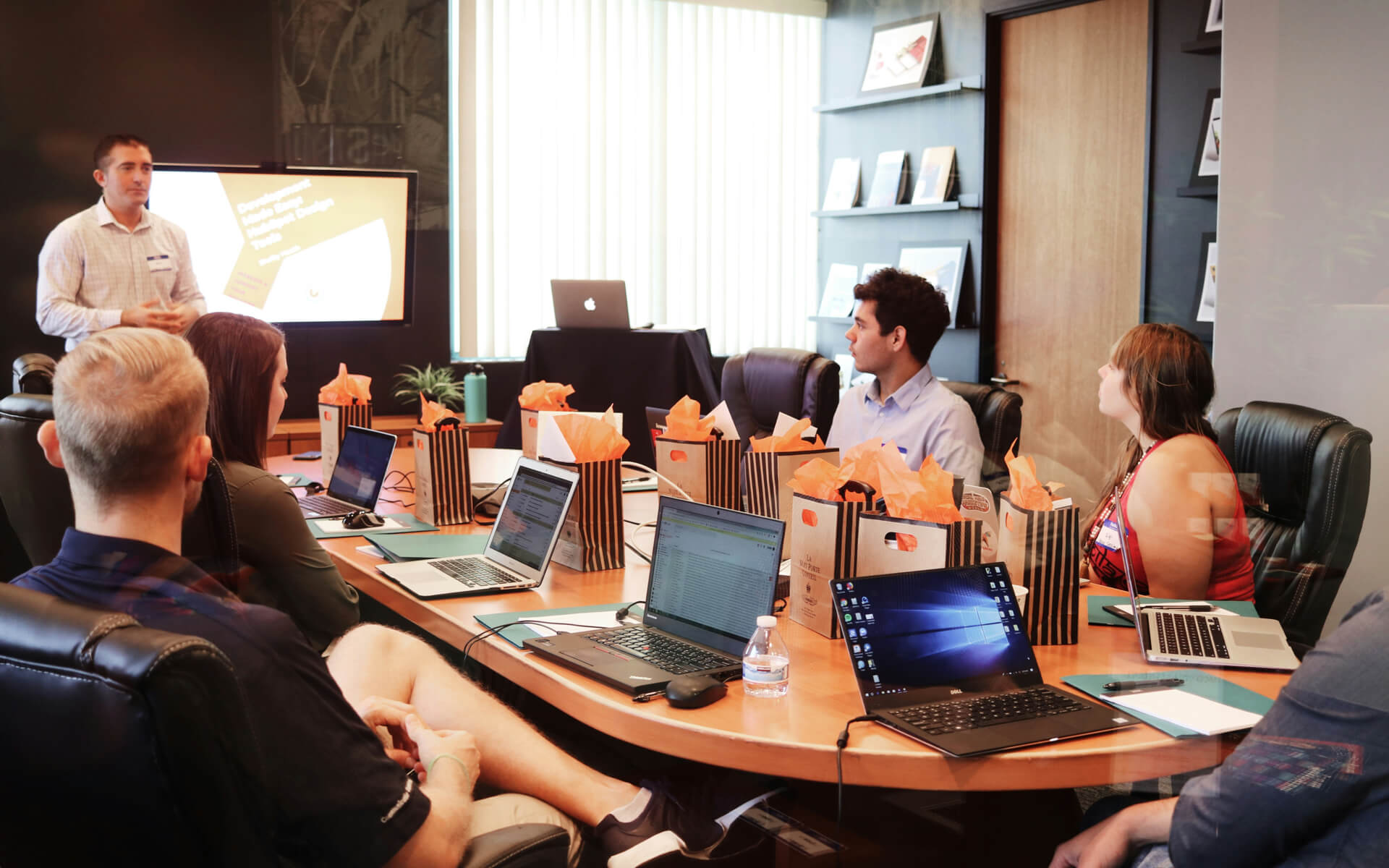
In today’s competitive market, adopting a user-first approach is crucial for creating products that resonate with customers and drive business success. However, influencing senior leaders to prioritise user-centric design can be challenging. This article explores strategies to advocate for a user-first mindset within your organisation.

The Ethical Imperative in Product Design: Balancing Innovation with Responsibility
In the rapidly evolving fields of product, service, UI, and UX design, professionals are often at the forefront of innovation, crafting solutions that enhance user experiences and drive market success. However, with great power comes great responsibility.
Embedding a User-Centred Design Process: Lessons from 24+ Years in the Industry
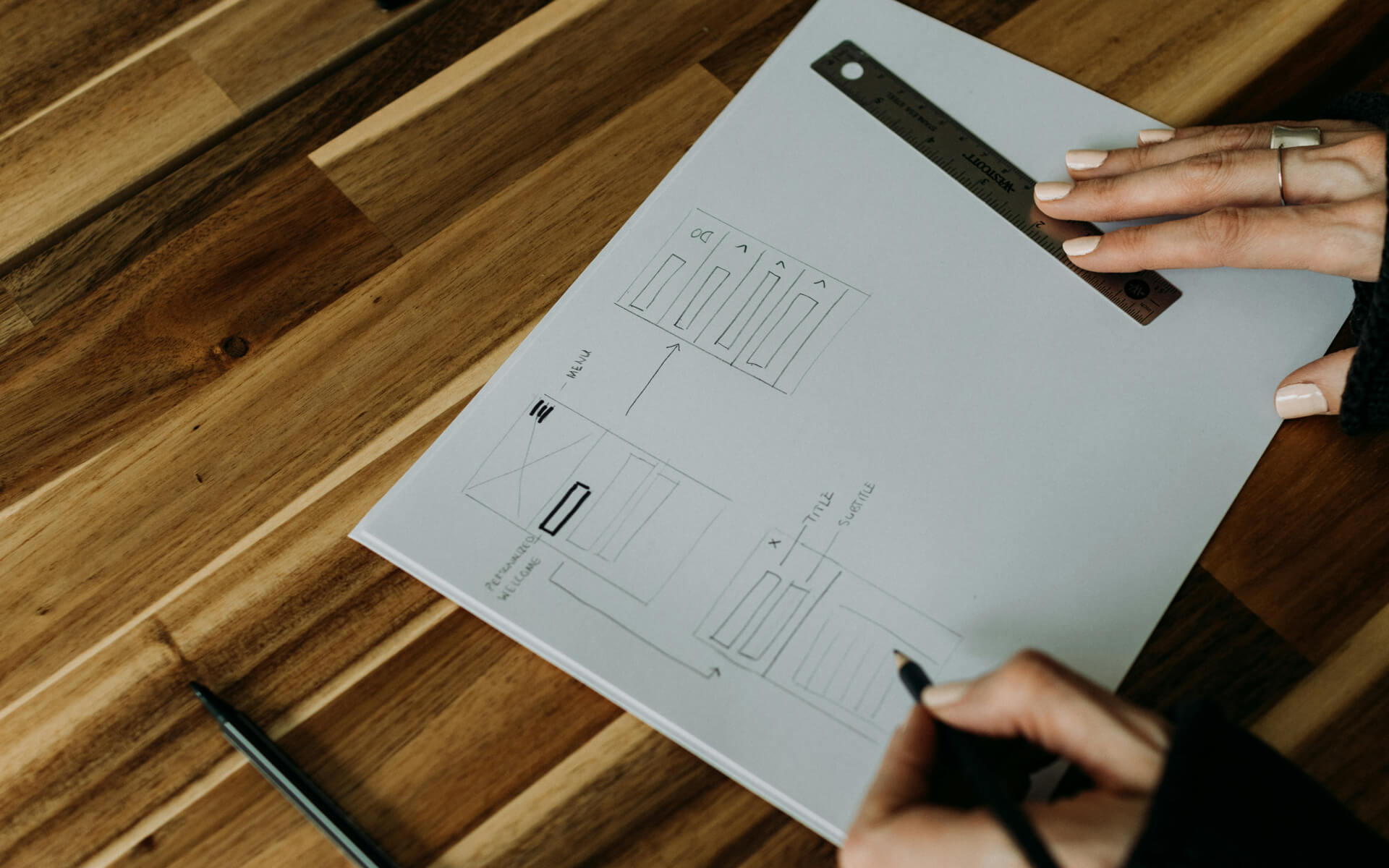
Over the past 24 years, I’ve had the privilege of working across various organisations and industries, helping them embrace and embed User-Centred Design (UCD) processes. From global enterprises to government bodies, I’ve seen first-hand how transformative UCD can be—not just in delivering better products and services but in changing how organisations think and operate.

From Research to Prototype: The UX Design Process Explained
The UX design process is a structured approach to creating digital products that meet user needs and exceed expectations. It involves various stages, from understanding user behavior through research to crafting a prototype that brings ideas to life. Each stage plays a crucial role in ensuring the final product is both functional and enjoyable to use.